
August 15, 2026
Bargain Insurance Connection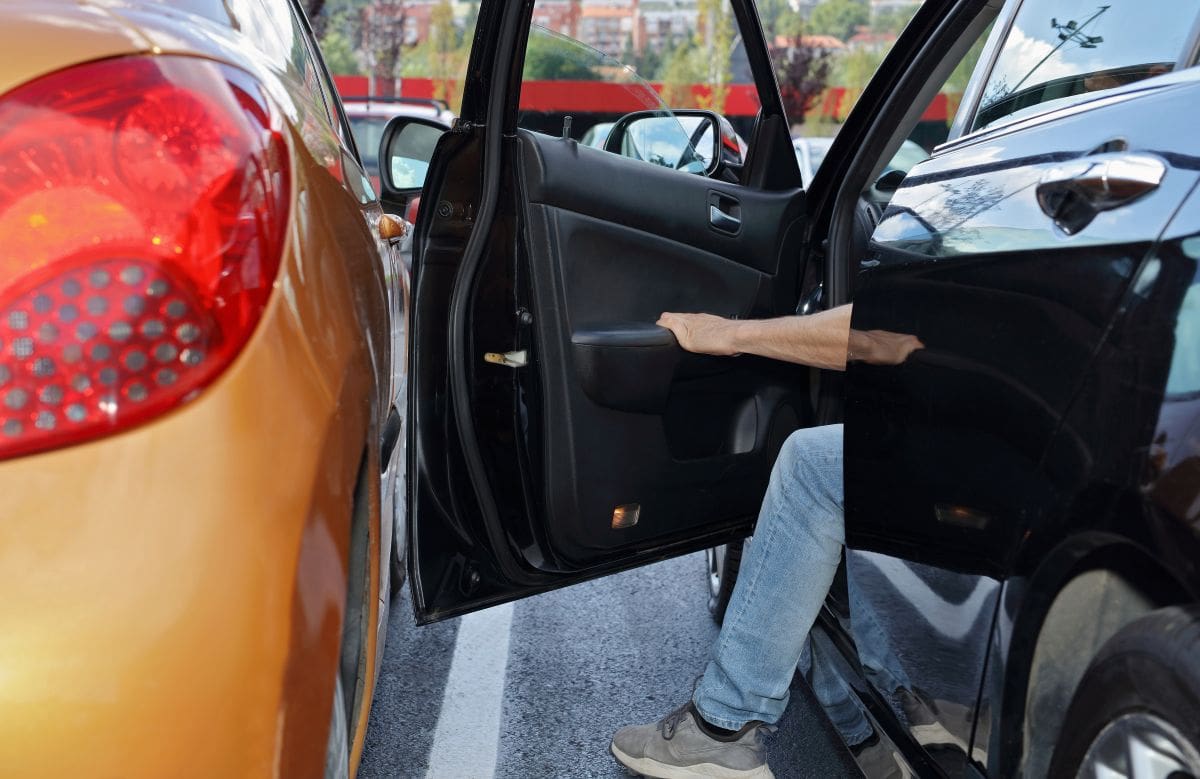
What to Do After a Parking Lot Accident: A Complete Guide
Quick answer: After a parking lot accident, stay at the scene, check for injuries, exchange information with the other driver, document everything with photos, and notify your insurance company promptly. Fault rules differ by state—Missouri is an at-fault state, while Kansas follows a no-fault system for injury claims, which affects how your claim is handled.
Parking lot accidents happen more often than most drivers expect. Tight spaces, distracted pedestrians, and vehicles reversing in multiple directions create the perfect conditions for a fender bender—even at low speeds. And while a slow-speed collision might not feel serious in the moment, the resulting repairs and insurance claims can be anything but minor.
What makes parking lot accidents particularly tricky is that liability isn’t always obvious. Two cars backing out at the same time, a door ding from a neighboring vehicle, a shopping cart that got away—each scenario comes with its own set of questions about who’s responsible. Adding to the complexity, Missouri and Kansas operate under different insurance laws, which means the claims process can look quite different depending on which side of the state line you’re on.
Here’s exactly what to do if you find yourself in a parking lot accident, and what to expect when it comes to fault, insurance, and protecting yourself financially.
Step 1: Stay Calm and Check for Injuries
Even low-speed collisions can cause injuries, particularly whiplash or soft tissue damage that isn’t immediately obvious. Before doing anything else, check on everyone involved—yourself, passengers, the other driver, and any pedestrians nearby.
Call 911 right away if anyone appears injured. Move vehicles out of traffic only if it’s safe to do so and doing so won’t interfere with the scene.
Step 2: Don’t Leave the Scene
Leaving the scene of a parking lot accident—even when the damage looks minor—can result in hit-and-run charges. This applies even if you hit a parked car and the owner isn’t present.
If you hit a parked vehicle and can’t locate the owner, leave a note with your name, phone number, and a brief description of what happened. Make a reasonable effort to find the owner before leaving.
Step 3: Exchange Information
Gather the following from the other driver:
- Full name, phone number, and address
- Insurance company name and policy number
- Driver’s license number
- Vehicle make, model, and license plate
Practical tip: Take a photo of their insurance card rather than writing everything down by hand—it’s faster and reduces the chance of errors.
Step 4: Document the Scene Thoroughly
Thorough documentation is one of the most important things you can do after a parking lot accident. Strong photo evidence can make the difference in an insurance dispute.
Photograph all of the following:
- Damage to each vehicle involved
- License plates
- Parking space markings and road lines
- Stop signs or directional signage
- Weather and lighting conditions
- The positions of all vehicles
- Any nearby security cameras
Wide-angle shots that capture the broader scene are especially useful for establishing context.
Step 5: Determine Who Had the Right of Way
Fault in a parking lot accident depends on the specific facts—not simply where the accident took place. Some common scenarios:
- Backing out of a space: The driver backing out generally bears more responsibility, since they have a duty to yield to moving traffic.
- Two cars backing out simultaneously: Both drivers may share fault.
- Driving through travel lanes: Vehicles in the main lane typically have the right of way over those exiting spaces.
- Pulling into a space: The driver actively entering a space must yield to passing traffic.
- Hitting a parked vehicle: The moving driver is almost always at fault.
- Pedestrians: Drivers must yield to pedestrians in marked crosswalks and throughout parking areas.
Determining who is at fault in a parking lot accident often requires a full review of the evidence, which is why photos, witness statements, and video footage matter so much.
Step 6: Should You Call the Police?
In Missouri: Police may not always respond to accidents on private property, including parking lots. However, if anyone is injured, there’s significant vehicle damage, or impaired driving is suspected, call 911 immediately.
In Kansas: Policies vary by jurisdiction. Officers may or may not respond to parking lot incidents depending on location and severity.
In either state, a police report—even if filed after the fact—can be a valuable piece of documentation for your Kansas City auto insurance claim. If officers don’t come to the scene, ask about filing a report at your local police department.
Step 7: Notify Your Insurance Company
Report the accident to your insurer as soon as possible. Delays can complicate the claims process and, in some cases, give the insurance company grounds to question the claim.
When you speak with your insurer, stick to the facts. Describe what happened without speculating about fault or exaggerating the damage. Let the investigation determine liability.
How Fault Works in Missouri vs. Kansas
Understanding the difference between Missouri and Kansas parking lot accident laws is essential before filing a claim.
Missouri: At-Fault State
Missouri is an at-fault state, meaning the driver responsible for causing the accident is generally liable for damages. Insurance companies on both sides will investigate the incident to determine fault, and the at-fault driver’s liability coverage typically pays for the other party’s property damage and injuries.
Kansas: No-Fault State (for Injuries)
Kansas follows a no-fault system for injury claims. After a parking lot accident in Kansas, your own Personal Injury Protection (PIP) coverage generally pays your initial medical expenses—regardless of who caused the accident.
However, a common misconception is that “no-fault” means no one is responsible for anything. That’s not the case. Property damage claims in Kansas still require a fault determination. If someone backs into your car in a Wichita parking lot, their liability coverage—not yours—should pay for the repairs.
Will Your Insurance Rates Increase After a Parking Lot Accident?
There’s no universal answer to this question. Rate increases after a parking lot fender bender depend on several factors:
- Who was determined to be at fault
- Your prior claims history
- The severity of the damage
- Your insurer’s rating practices
- Any recent violations or other claims on your policy
Some insurers offer accident forgiveness for first-time incidents. Others may apply a surcharge. The only way to know for certain is to review your policy or speak with your agent.
Common Types of Parking Lot Accidents
Parking lot accidents come in many forms. The most frequent include:
- Backing into another vehicle
- Two cars reversing simultaneously
- Door dings from adjacent vehicles
- Shopping cart damage
- Hit & Run accident
- Rear-end collisions in drive lanes
- Hitting a stationary parked car
- Pedestrian accidents
Each type carries its own liability considerations, and the outcome of an auto insurance claim after a parking lot accident will depend on the specific circumstances involved.
Can Dashcam or Security Camera Footage Help?
Yes—video evidence can be a powerful tool in a parking lot accident dispute. Dashcam footage from your own vehicle may clearly show what happened in the moments before impact.
Security cameras from nearby businesses can also provide useful footage, but act quickly. Many businesses only retain recordings for a few days before overwriting them. If you believe camera footage exists, request it as soon as possible or ask your attorney or insurer to do so on your behalf.
When Does It Make Sense to File a Parking Lot Accident Insurance Claim?
Filing a claim isn’t always the right move. Consider the following before deciding:
- File a claim if the repair costs are significant, another driver is involved, injuries occurred, or your liability exposure is unclear.
- Paying out of pocket may be worth considering for very minor damage—particularly if the repair cost is close to or below your deductible, and no other party is involved.
Factors like your deductible amount, claims history, and state insurance requirements all play a role in this decision. When in doubt, speaking with your insurance agent before filing can help you weigh the pros and cons.
Frequently Asked Questions:
What should I do if I hit a parked car in a parking lot and no one is around?
Don’t drive away. Leave a note with your name and contact information on the vehicle, then notify your insurance company. Leaving without making a reasonable effort to contact the owner could result in hit-and-run charges.
Who is at fault when two cars back out of parking spaces at the same time?
In many cases, both drivers share fault. The exact split depends on the specific facts, including vehicle positions, speed, and visibility. Comparative fault rules in Missouri may reduce your compensation based on your percentage of fault.
Does Kansas no-fault insurance cover parking lot accidents?
Kansas no-fault (PIP) coverage applies to medical expenses after an injury, regardless of fault. However, property damage claims—such as repairs to your vehicle—still require a fault determination. Kansas no-fault insurance does not eliminate liability for property damage.
How long do I have to report a parking lot accident to my insurance company?
Most insurers require prompt notification, and waiting too long can complicate or even jeopardize your claim. Contact your insurer as soon as possible after the incident—ideally the same day.
Will a parking lot accident go on my driving record?
It depends on whether a police report was filed and how your state records incidents on private property. In some cases, parking lot accidents don’t appear on your MVR. Your insurer may still note the claim on your internal policy record, which can affect future premiums.
Need Auto Insurance You Can Count On?
Whether you’ve recently been in a parking lot accident or simply want to review your current coverage, our team is here to help. At Bargain Insurance Connection, we work with multiple insurance carriers to help drivers throughout Missouri and Kansas find coverage that fits their needs and budget.
Contact us today for a free, no-obligation auto insurance quote—and make sure you’re protected before the unexpected happens.

Read More:
Can You Add a Friend to Your Auto Insurance in MO or KS?
How to Switch Car Insurance Companies (and When to Do It)
Categories: Auto Insurance, Blog