
RV Insurance in Kansas City, Missouri & Kansas
RV insurance needs depend on the type of RV you own. Motorhomes are self-propelled and generally require their own auto liability insurance to legally drive in Missouri or Kansas. Travel trailers and fifth wheels are towable, so liability from your tow vehicle may extend while hitched, but a separate policy is often needed to protect the trailer itself from damage, theft, or loss. Bargain Insurance Connection helps RV owners throughout Kansas City, Missouri, and Kansas compare coverage and rates from multiple carriers.
Not every RV is insured the same way, and that’s a detail a lot of owners find out the hard way. A Class A motorhome rolling down I-70 has different insurance needs than a fifth wheel parked at a campground three weekends a month. Even within the towable category, a pop-up camper and a fully-equipped toy hauler don’t always carry the same risks or require the same coverage.
Bargain Insurance Connection works with RV owners across Kansas City, Missouri, and Kansas, helping them sort through these differences. Whether you’re insuring a motorhome, travel trailer, fifth wheel, toy hauler, pop-up camper, or camper van, the goal is the same: find coverage that actually matches how you use your RV.
At Bargain Insurance Connection, we’re not tied to a single insurance company. When we quote RV insurance, we often find that rates can vary from one insurance company to another. That’s why we prefer comparing options rather than assuming the company that insures your car will automatically have the best option for your RV.
Request an RV insurance quote today.
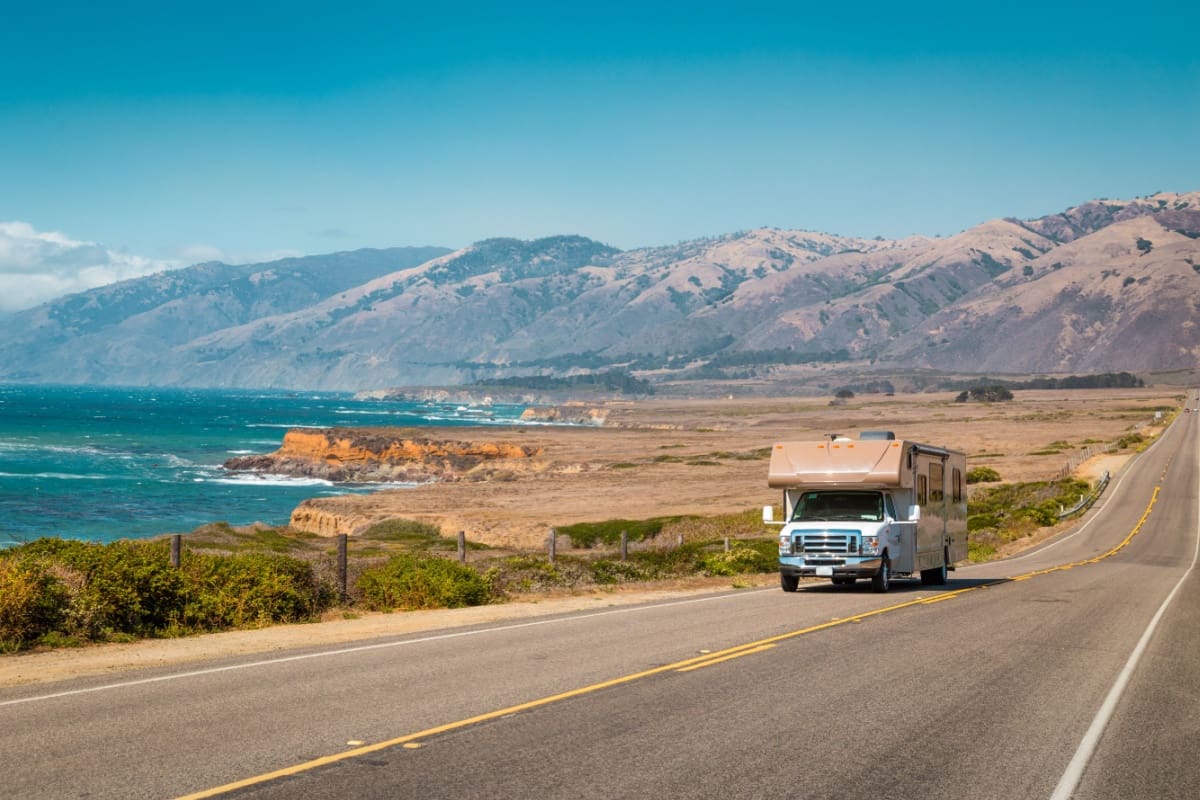
Motorhome & Travel Trailer Insurance
Motorhomes and travel trailers get lumped together in casual conversation, but they’re insured quite differently.
A motorhome — whether it’s a Class A, Class B camper van, or Class C — is a self-propelled vehicle. Because you’re driving it directly, Missouri and Kansas require it to carry its own auto liability insurance, similar to what’s required for a car or truck.
Travel trailers and fifth wheels work differently. They don’t move under their own power; they’re towed by another vehicle. While your tow vehicle’s liability insurance may extend to the trailer while it’s hitched and being driven, that coverage typically stops there. It generally won’t protect the trailer itself against theft, fire, hail, or collision damage, and it offers no protection at all once the trailer is parked or in storage.
That gap is why many trailer owners choose a separate RV policy. If your travel trailer represents a meaningful investment — or if you use it as a temporary home base at campsites — a standalone policy can cover risks your auto insurance was never designed to handle.
Do You Need RV Insurance in Missouri or Kansas?
The answer depends on what kind of RV you own.
Motorhomes: Because motorhomes are self-propelled, Missouri and Kansas require them to carry state-minimum auto liability insurance, just like any other motor vehicle on public roads. If your motorhome is financed, your lender will likely also require comprehensive and collision coverage to protect their investment.
Travel trailers and fifth wheels: Missouri and Kansas don’t require standalone liability insurance on towable RVs. That’s a legal distinction, though, not a practical one. Being legally allowed to tow an uninsured trailer isn’t the same as being adequately protected if that trailer is stolen, damaged in a storm, or totaled in an accident.
This is where it helps to separate two questions: What am I legally required to carry? And what actually protects me if something goes wrong? For motorhome owners, state law answers the first question. For travel trailer owners, the second question is really the one that matters.
What Does RV Insurance Cover?
RV insurance policies can include a range of coverages, though availability and limits vary by insurer and by the specific policy you choose. Common coverage options include:
- Bodily injury and property damage liability — covers injuries or damage you cause to others
- Collision coverage — pays for damage to your RV from an accident
- Comprehensive coverage — addresses non-collision losses like theft, fire, hail, vandalism, or falling objects
- Uninsured/underinsured motorist coverage — protects you if an at-fault driver lacks adequate insurance
- Medical payments coverage — helps with medical costs after an accident, where applicable
- Personal belongings coverage — protects personal effects stored inside the RV
- Roadside assistance — covers breakdowns, flat tires, or towing needs
- Emergency expense coverage — helps with lodging or transportation if your RV is disabled far from home
- Vacation liability/campsite liability — covers incidents that occur while your RV is set up at a campsite
- Total-loss replacement or agreed-value options — offered by some carriers in place of standard depreciated payouts
Not every carrier offers every option, so it’s worth comparing policies rather than assuming coverage is standardized across insurers.
Motorhome Insurance
Motorhome insurance has to address two realities at once: the RV is a vehicle, and it’s also a living space. That combination creates coverage needs that a standard auto policy doesn’t fully address.
Class A motorhomes are the largest, bus-style RVs, often representing a significant financial investment. Class B motorhomes, also called camper vans, are compact and built on a van chassis. Class C motorhomes fall in between, typically recognizable by the cab-over sleeping area.
Regardless of class, motorhome insurance needs to account for how the RV is actually used. A motorhome driven cross-country several months a year carries different exposure than one used for a handful of weekend trips. Permanently attached equipment, such as awnings, satellite systems, or generators, may also need to be considered when selecting coverage.
Travel Trailer & Fifth-Wheel Insurance
Travel trailers, fifth wheels, toy haulers, and pop-up campers share a common vulnerability: most of the risk happens when they’re not being towed.
Once a trailer is parked, stored, or set up at a campsite, the liability protection provided by the tow vehicle may not address many of the risks to the trailer itself. A separate RV policy can provide physical damage and other coverage designed specifically for the trailer.
There’s also a liability angle worth considering. If you’re using your trailer as a temporary residence at a campsite, and a guest is injured, that’s a different kind of liability exposure than anything your tow vehicle’s insurance was built to handle.
The bottom line: coverage from your tow vehicle protects you while driving, but it isn’t a substitute for a policy that protects the trailer itself.
Full-Time RV Insurance
Insurers generally consider “full-time” use to mean the RV serves as your primary residence, rather than a vehicle used for occasional trips or seasonal travel.
Full-time RVers face different exposures than weekend travelers. Broader personal liability coverage matters more when your RV functions as a home rather than a vacation vehicle. Personal belongings coverage becomes more important too, since you’re likely keeping more of your everyday possessions on board. Additional living expense coverage — which can help pay for temporary lodging if your RV is damaged and uninhabitable — is also worth discussing with your agent.
It’s important to tell your agent how you actually use your RV. A policy designed for occasional recreational use may not provide the same protection needed when the RV is your primary residence.
How Much Does RV Insurance Cost?
RV insurance costs vary widely, and rather than quote a generic price range that may not reflect current market conditions, it’s more useful to understand the factors that actually drive your premium:
- Type of RV — motorhome versus towable, and which class
- RV value and age — newer, higher-value RVs typically cost more to insure
- Driving history — applicable for motorhomes and camper vans
- ZIP code and garaging location — where the RV is kept affects your rate
- Frequency of use — occasional recreational use versus regular travel
- Full-time versus recreational use — full-time use generally carries different pricing
- Coverage limits and deductibles — higher limits and lower deductibles raise premiums
- Claims history — prior claims can affect your rate
- Optional coverages — added protections like roadside assistance or personal belongings coverage
Because insurance companies don’t necessarily rate the same RV or driver identically, comparing quotes from multiple carriers can reveal meaningful price differences for comparable coverage.
RV Discounts and Ways to Save
Several discounts may be available depending on your carrier and situation:
- Multi-policy discounts for bundling RV insurance with auto or home insurance
- Paid-in-full discounts for covering your premium upfront rather than in installments
- Higher deductibles, which can lower your premium in exchange for more out-of-pocket cost if you file a claim
- Claims-free or safe-driving discounts, where applicable
- Storage-related considerations, if your carrier offers reduced rates for RVs kept in secure storage during the off-season
Price matters, but it shouldn’t be the only factor. Comparing what’s actually covered — not just the premium — helps you avoid discovering gaps in coverage after a loss has already occurred.
Types of RVs We Can Insure
Bargain Insurance Connection helps customers find coverage options for a wide range of RVs, including:
- Class A motorhomes
- Class B motorhomes/camper vans
- Class C motorhomes
- Travel trailers
- Fifth wheels
- Toy haulers
- Pop-up campers
Get an RV Insurance Quote in Kansas City
Bargain Insurance Connection serves RV owners throughout Kansas City, Missouri, and Kansas, and we help RV owners compare coverage and rates from multiple insurance companies Whether you’re insuring a Class A motorhome, a camper van, or a travel trailer you take out a few weekends a year, we can help you compare coverage options and find a policy that fits how you actually use your RV.
Call us at 816-453-7722 or request your RV insurance quote online today.

RV Insurance FAQs
Does my auto insurance cover my travel trailer?
Your auto insurance may extend liability coverage to your travel trailer while it’s being towed, but it typically doesn’t cover damage to the trailer itself, theft, or losses that occur while the trailer is parked or in storage.
Do I need insurance on a travel trailer in Missouri?
Missouri doesn’t require standalone liability insurance for towable RVs like it does for motorhomes. However, a separate RV policy may be needed if you want coverage for the trailer itself against risks such as theft, weather damage, or collision.
Do I need insurance on a travel trailer in Kansas?
Similar to Missouri, Kansas doesn’t mandate separate liability insurance for travel trailers. Many owners still choose a separate policy to protect the trailer itself against physical damage and other losses that may not be covered by the towing vehicle’s policy.
Is RV insurance required for a motorhome?
Yes. Because motorhomes are self-propelled and driven on public roads, Missouri and Kansas require them to carry state-minimum auto liability insurance, similar to a car or truck.
Does RV insurance cover belongings inside my RV?
Many RV policies offer personal belongings coverage as an option, which can help protect items like clothing, electronics, and cookware stored inside. Availability and limits vary by carrier.
Does RV insurance cover hail damage?
Hail damage is typically addressed under comprehensive coverage, which is available on many RV policies. Whether it’s included depends on the specific policy and carrier.
Can I insure an RV that I live in full-time?
Yes, full-time RV insurance is available and is generally structured differently from recreational RV policies, often including broader liability and personal belongings coverage. It’s important to tell your insurer that the RV is your full-time residence so your policy matches your actual usage.