
April 10, 2026
Bargain Insurance Connection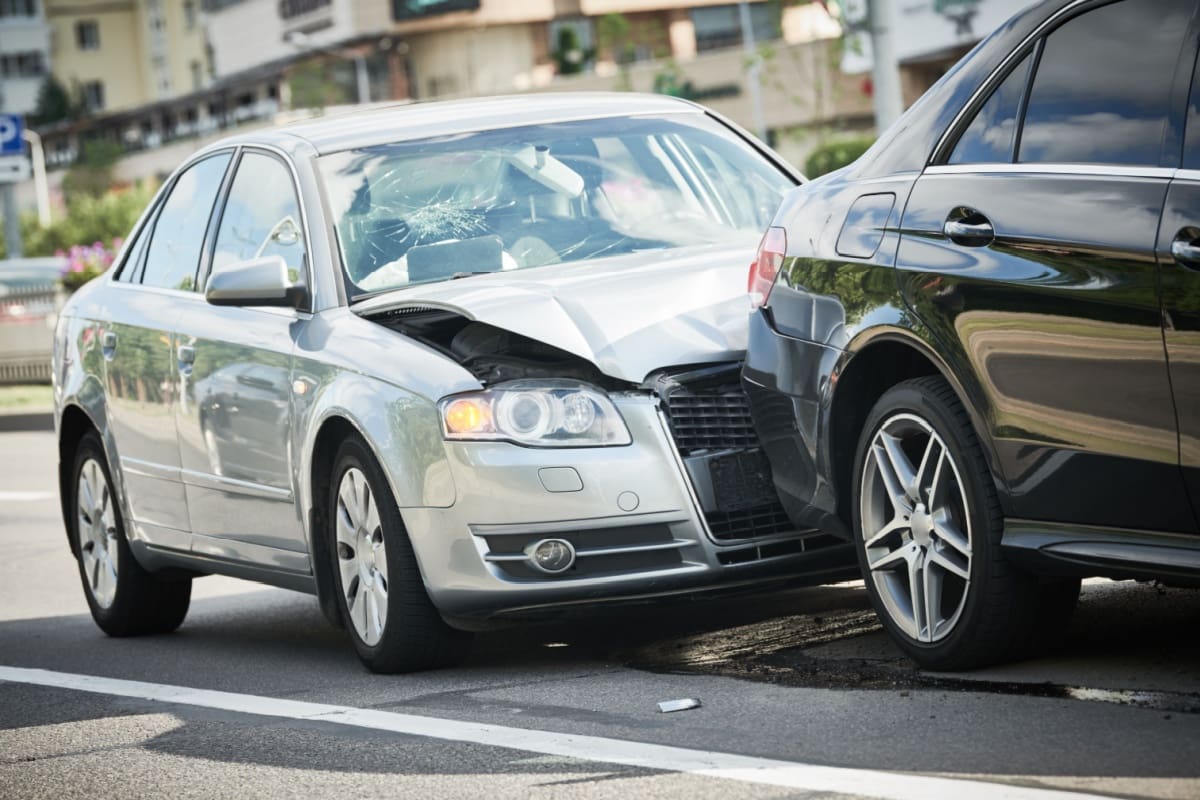
What Happens If You Crash During a Test Drive?
Getting behind the wheel of a potential new car is an exciting experience. The new car smell, the smooth handling, and the upgraded technology all make for a thrilling ride. But a sudden collision can instantly turn that excitement into a massive headache.
Many drivers assume the dealership’s insurance will automatically cover any damage if a crash occurs. That assumption can lead to unexpected out-of-pocket costs, rising premiums, and serious stress. The reality of test drive liability is a bit more complicated than most buyers realize.
This guide breaks down exactly how liability works when you are testing a vehicle. You will learn whose insurance pays for what, how different coverage levels apply, and the steps you need to take before ever handing over your driver’s license to a car salesperson.
First: Yes, You Can Be Held Responsible
A common myth among car buyers is that the dealership takes on all the risk the moment they hand you the keys. Dealerships do carry fleet or garage liability insurance, which covers their inventory. However, if you are at fault in an accident while driving their vehicle, you can absolutely be held responsible for the damages.
When you hand over your driver’s license before a test drive, the dealership usually makes a copy. This isn’t just to verify your identity. It is to ensure they have your information on file to file a claim against your auto insurance policy if you cause a wreck.
How Insurance Typically Works in a Test Drive Accident
Auto insurance generally follows the driver, not just the car. If you cause an accident, your personal auto insurance policy will be the primary source of coverage.
Your liability coverage will step in to pay for the damages to the other person’s vehicle and their medical bills. When it comes to the dealership’s damaged car, your collision coverage is what pays for the repairs. The dealership’s insurance usually acts as a secondary layer of protection. If you do not have insurance, or if your coverage limits are too low to pay for the total damage, the dealership’s policy will likely cover the remaining costs—but their insurance company may then come after you personally to recover those expenses.
Real-World Scenario (What It Actually Looks Like)
Let’s look at how this plays out in practice. You are test driving a new SUV and accidentally rear-end another car at a stoplight. You are clearly at fault.
The driver of the car you hit will file a claim against your property damage and bodily injury liability coverage. For the SUV you were driving, the dealership will want their vehicle repaired. Because you were at fault, your collision insurance will be billed for those repairs. You will also be responsible for paying your personal deductible out of pocket. If you only carry basic liability insurance without collision coverage, you might find yourself personally on the hook for the damage to the dealership’s vehicle.
What About “Full Coverage”?
People often use the term “full coverage,” assuming it means they are protected in every possible scenario. In the insurance world, full coverage typically means you carry liability, comprehensive, and collision insurance.
If you have this combination on your personal policy, your collision coverage will extend to a vehicle you are test driving. This is the safest way to enter a dealership lot. However, it is vital to know your exact coverage limits and your deductible amount. If you are test driving a $70,000 luxury truck but your policy limits max out at $50,000, you could still face significant financial exposure if you total the vehicle.
What If the Accident Isn’t Your Fault?
The situation changes completely if another driver causes the crash. If you are rear-ended by someone else while stopped at a red light in a test vehicle, the at-fault driver’s insurance is responsible for paying the damages.
In this scenario, the dealership will file a claim directly with the at-fault driver’s insurance company to get their vehicle repaired. You would also file a claim against that driver’s bodily injury liability if you suffered any injuries in the crash. Your personal insurance rates should not increase, and you will not have to pay your deductible.
Does It Matter Where You Test Drive?
Test driving a car from a large, franchised dealership is different from test driving a vehicle being sold by a private party.
Dealerships have robust commercial policies designed specifically for test drives and inventory management. Private sellers do not. If you are testing a car you found online from an individual seller, their personal insurance policy covers the car. If you crash it, their insurance will likely have to pay for the damages, which can lead to a messy legal dispute between you, the seller, and their insurance company. Always confirm that a private seller has active insurance before driving their car, and check with your own provider to see how your coverage applies to non-owned vehicles.
The Biggest Mistakes People Make
Drivers frequently make a few key errors when taking a car out for a spin. The first is assuming the dealership has them entirely covered. The second is signing waivers or agreements at the dealership without reading them. Sometimes, dealers slip in language that attempts to shift all financial responsibility for any damage—regardless of fault—directly onto the driver.
Another major mistake is taking a test drive when you do not currently have an active auto insurance policy. If you are buying your very first car and do not have insurance yet, you need to inform the dealer. They may require you to ride as a passenger or secure a non-owner policy before letting you drive.
How to Protect Yourself Before a Test Drive
Taking a few simple precautions can save you from a financial nightmare.
- Check your current coverage: Know your limits and confirm you have active collision coverage.
- Read what you sign: Take 60 seconds to read the paperwork the dealer hands you when they take a copy of your license.
- Inspect the car: Walk around the vehicle before getting in. Point out any existing scratches or dents to the salesperson so you aren’t blamed for them later.
- Drive defensively: A test drive is not the time to test top speeds. Take a familiar route, avoid heavy traffic areas if possible, and drive cautiously.
Get a Quick Policy Review Before You Shop
Knowing exactly what your policy covers takes the anxiety out of car shopping. You can focus on the vehicle instead of worrying about worst-case scenarios.
If you are planning to head to a Missouri dealership soon and aren’t sure how your current coverage would apply in an accident, we can help. At Bargain Insurance Connection in Kansas City, Missouri, we specialize in making sure drivers have the right protection without overpaying. Give our team a call today for a quick, no-pressure policy review. We will ensure you are fully protected before you take that next test drive.

Read More:
Why Insurers Need to Know Who Lives With You
Auto Insurance Without Prior Coverage: Options for Lapsed Insurance
Categories: Auto Insurance, Blog