
January 6, 2026
Bargain Insurance Connection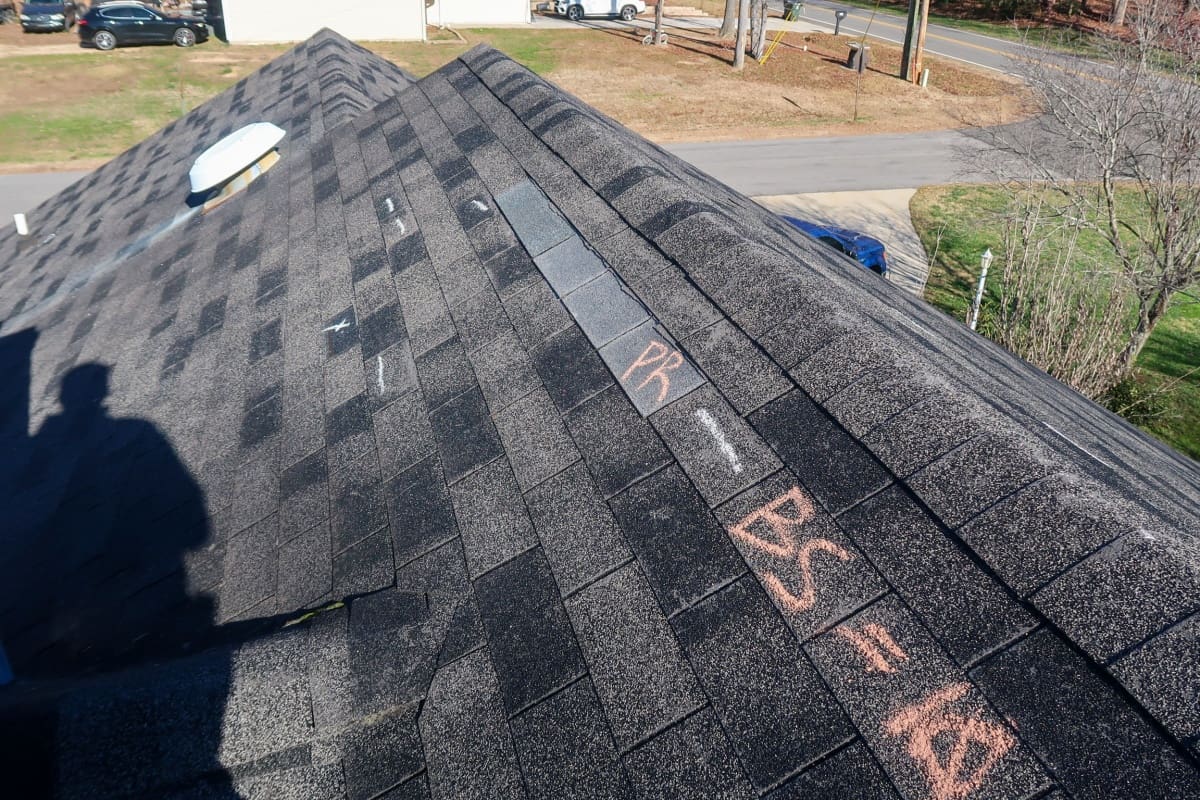
Why a $0 Home Insurance Claim Can Still Spike Your Rates in KC
Most homeowners view their insurance policy as a safety net. You pay your premiums every month so that when something goes wrong—a storm damages your roof or a pipe bursts in the basement—you have financial protection. It seems logical that if you suspect damage, you should call your insurance company immediately to assess the situation.
Unfortunately, the insurance industry doesn’t always work the way we expect it to. Many policyholders in the Kansas City area are shocked to discover that simply calling to report damage can result in a “claim” on their record, even if the insurance company never pays a dime.
These are known as “zero-pay claims,” and they can have a lasting impact on your financial health. Understanding how claims are recorded and how they influence your future rates is essential for every homeowner in Missouri and Kansas. Before you pick up the phone to report that missing shingle, you need to know how the system works behind the scenes.
Filing a Claim vs. Getting Paid: What Most Homeowners Don’t Know
There is a widespread misconception that an insurance claim only “counts” if you cash a check. However, from the insurer’s perspective, the administrative process begins the moment you report a potential loss.
When you call your carrier’s claims department to ask if a specific repair is covered or to have an adjuster look at damage, they typically open a file. This action officially logs a claim against your policy.
If the adjuster comes out and determines that the damage is less than your deductible, the insurance company will not pay you. You might think no harm was done since you are paying for the repairs out of pocket. Yet, the claim remains on your record. It is now a part of your history, categorized as a claim with a $0 payout.
To an insurer, filing a claim—regardless of the payout—signals risk. It suggests that the property is susceptible to damage or that the homeowner is prone to filing claims. This activity is tracked rigorously and shared across the industry.
What Is a CLUE Report (and Why It Matters)?
You are likely familiar with your credit report, which tracks your borrowing history. Your home has a similar report card known as the CLUE report (Comprehensive Loss Underwriting Exchange).
Maintained by LexisNexis, the CLUE database is used by almost all insurers to check the claims history of a property and a policyholder. The report typically goes back five to seven years and includes:
- Date of the loss
- Type of loss (e.g., wind, water, theft)
- Amount paid by the insurance company
- Description of the property
- Policy number and claim number
Even if your claim resulted in a $0 payout, it appears on this report. When you go to renew your policy or shop for new insurance, underwriters pull this report. If they see multiple entries—even small or unpaid ones—they may view you as a high-risk client. This can lead to higher premiums or, in severe cases, a non-renewal of your policy.
Why This Is Especially Important for Kansas City Homeowners
Geography plays a massive role in insurance rates, and living in the Kansas City metro area presents unique challenges. Straddling the border of Missouri and Kansas means our homes are frequently in the path of severe weather.
We experience hail, high winds, tornadoes, and severe thunderstorms regularly. Because of this volatility, insurance carriers are already cautious about exposure in this region. Rates in the Midwest are often higher than the national average simply due to weather risks.
When you add a discretionary claim to your CLUE report in a high-risk weather zone, the impact can be compounded. Insurers are already anticipating that they will likely have to pay out for a major storm eventually. If a homeowner also files claims for minor maintenance issues or small losses, the carrier may decide the policy is no longer profitable.
In a market where carriers are tightening their guidelines, keeping a clean claims history is one of the best ways to keep your premiums manageable.
Common Claims That Often Lead to Regret
Not all damage is worth reporting. The key is to do the math before involving the insurance company. Here are scenarios where homeowners often file claims that they later regret.
Minor Roof Damage
After a storm, you might spot a few missing shingles. If the cost to replace them is $400, but your deductible is $1,500, the insurance company won’t pay anything. However, you now have a wind/hail claim on your record.
Small Water Leaks
A slow leak under a sink might cause some cabinet damage. If the repair bill is near your deductible amount, filing a claim provides little financial relief but adds a “water loss” to your history. Water claims are viewed particularly negatively by insurers because water damage often signals ongoing maintenance issues or the potential for mold.
Low-Value Theft
If a bicycle worth $600 is stolen from your garage, it is upsetting. But if your deductible is $1,000, filing a claim yields no benefit. It simply alerts the insurer to a theft loss, which could increase your rates for years.
The “Deductible Math” Trap
Always remember: Insurance is designed for catastrophic losses, not maintenance. If the cost of repair is only slightly higher than your deductible (e.g., $1,200 damage with a $1,000 deductible), receiving a $200 check is rarely worth the surcharges you will see on your premiums over the next three to five years.
When Filing a Claim Does Make Sense
This advice does not mean you should never use your insurance. It is there to protect you from financial devastation. There are clear situations where filing a claim is the right move.
Catastrophic Damage: If a tree falls through your roof, a fire destroys your kitchen, or a tornado hits your neighborhood, this is exactly why you have insurance. The costs will far exceed your deductible and your ability to pay out of pocket.
Liability Issues: If a guest is significantly injured on your property and threatens to sue, or requires expensive medical treatment, you must involve your insurance company immediately. Liability claims are complex and require the legal defense provided by your policy.
Significant Loss: Anytime the damage is several times higher than your deductible, filing a claim is financially sound. If you have $10,000 in hail damage and a $1,500 deductible, the claim is necessary.
What to Do Before Filing a Home Insurance Claim
To protect your CLUE report and your wallet, follow these steps before calling the 1-800 claims number.
1. Know Your Policy Details
Check your declarations page to confirm your deductible. Is it a flat dollar amount (like $1,000) or a percentage of your dwelling coverage (like 1% or 2%)? A 1% deductible on a $300,000 home is $3,000. You need to know this number to make an informed decision.
2. Get an Independent Estimate
Call a reputable local contractor to give you an estimate for the repairs. Do not tell them you are filing a claim yet; just ask for a quote to fix the damage.
3. Compare the Cost vs. Deductible
If the contractor’s estimate is lower than your deductible, pay for it yourself. Do not call the insurance company. If the estimate is slightly over the deductible, consider paying it yourself to avoid a rate hike. If the estimate is significantly higher, then it is time to proceed with a claim.
How a Local Kansas City Agent Can Help
One of the distinct advantages of working with an independent insurance agency rather than a direct-to-consumer call center is the ability to get advice.
When you call a generic 1-800 claims hotline, the representative is often required to open a claim file immediately upon hearing about damage. In contrast, a local independent agent can act as your advisor. You can call your agent and say, “Hypothetically, if I had this type of damage, what would my coverage look like?”
Your agent can review your policy, discuss your deductible, and help you determine if filing a claim is in your best financial interest. They understand the local market in Missouri and Kansas and can guide you away from filing small claims that could hurt your insurability.
Thinking About Your Home Insurance Rates?
Navigating the complexities of home insurance in the Midwest can be tricky, but you don’t have to do it alone. Smart decision-making regarding claims can save you thousands of dollars in premiums over the life of your homeownership.
If you are worried that past claims have affected your rates, or if you simply want to ensure you have the right coverage for your specific needs in Kansas or Missouri, we are here to help.
Bargain Insurance Connection specializes in finding affordable, reliable coverage for homeowners across the Kansas City metro area. Whether you are in MO or KS, we can shop multiple carriers to find the best fit for your budget and lifestyle.
Request a quote from Bargain Insurance Connection today and see how much you could save.

Read More:
Why Roof Age Matters More Than You Think in Kansas City
Pets, Pools & Trampolines: Liability Questions KC Families Ask
This blog is intended for informational and educational use only. It is not exhaustive and should not be construed as legal advice.